
-
"Since 2005"Reports on Education
from a Consumer Perspective• Was this school a good choice?
• Why is my child behind?
• Should my child be reading?
• Is the problem my child or the school?We show parents, taxpayers and officials
how to identify good schools &
get the best from the rest. -
-
-
-
Research, Reports, and Recommendations




Who We Are
We are trained, experienced, and independent educators. We use data and analysis to help parents and taxpayers identify good schools and navigate the others.
What We Do
We turn school performance data into graphics and explain what they mean about school quality.
Why We Do It?
Our mission is to improve education by showing those who use and pay for schools how to recognize good ones, find better ones, and get the most from the rest.
What to look for and how to get the best schooling for your child.
- Mountains of information about school quality are available but most of it isn’t useful to parents. We highlight the key indicators, explain how they can be used to find good schools, and deal with the challenges presented by the others.
- Our charts permit you to quickly view the key reading data for virtually any elementary school in the country.
- On request, we can create the charts needed for impactful presentations.
Is this a Good School?
If your child is struggling, the problem may be the school, not your child.
FACT: Nationally, only one in three elementary school students read at grade level. That figure drops to less than one in five for minorities. Most of the rest are on track to drop out or graduate unprepared for college.
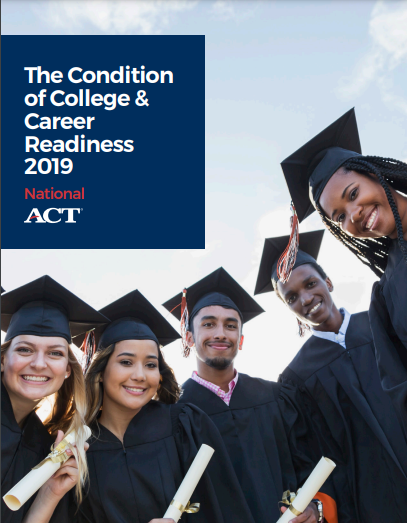
FACT: Only 26% of high school graduates meet the ACT's four college preparedness benchmarks -- a finding consistent with predictions from third-grade reading. The rest are destined for remedial studies in college or jobs with lesser educational requirements.
FACT: Schools where almost all students master the basics are in short supply ( CHECK YOUR SCHOOL). Most have weaknesses that must be navigated and that’s where ECF can help.
When children struggle or fail to learn, who is responsible?
In truth, lack of parent support, adverse social and economic conditions, as well as ineffective schools are all factors that can contribute to educational failure. Certain seldom-discussed facts, however, put that put this issue into perspective:
Only 10-15% of K-12 students have a certified educational disability impeding their educational progress yet 60-70% of students at most schools fail to read at a proficient level. In other words, at most schools, far more students struggle with learning because of their school’s shortcomings than ones who are hindered by disability. A school’s ineffectiveness may be attributable to a variety of causes but the most common one is that they neglect to use research-based teaching practices.
Educators often cite poverty as the primary barrier to educational success and there are legitimate grounds for that claim. What isn’t noted, however, is that many schools beat the odds with highly effective teachers.
Public schools were established to give society’s least advantaged children a path to responsible, self-sufficient citizenship in a democratic society. Until recent decades, schools have embraced that role, not used student disadvantage as an excuse for failure.
Parents and the public should not accept the poverty excuse--especially from schools that are not using research-based instruction and rewarding effective teaching. Demography is not destiny. Every state has schools that beat those expectations (see your state).
Despite these facts, you are likely to find educators in your school attributing most student learning and behavior problems to student disabilities and socioeconomic circumstances beyond the school’s control.
The mission of the Education Consumers Foundation (ECF) is to help you recognize and deal with these rationalizations and obfuscations. Knowing the facts about how schools operate will enable you to work more effectively in advancing your child's educational interests.
What to Look for and Why
Whether your child is just entering school or has been enrolled for a few years, here are the kind of questions that ECF can help you answer:
-
Is this school a good choice?
-
Should my child be reading by now?
-
Should I be worried if he or she is not?
-
Is the problem poor learning or poor teaching?

A good start is essential to long-term school success.
Reading is the cornerstone of school success. Early success builds skills, self-confidence, and a love of learning. Good schools assess reading early and put children on track to reach grade-level ASAP. Lesser schools allow children who start below grade level to grow at average rates and thus remain below grade level.
For children who are behind, “catch-up” rates of achievement growth are critical. The knowledge and skills that define each grade-level are a moving target. By design, they become more challenging at each higher grade. For example, a proficient second grader (i.e. a second grader who is a grade level) must gain one year's worth of knowledge and skills in order to remain on grade level in grade three.
However, a second-grader who is a half-year below grade level must grow by one and one-half years’ in order to reach grade level in grade three. Without teachers who can bring about the rate of achievement growth necessary to catch up, a child who lags at school entry tends to remain behind and eventually become a discouraged learner.
Unfortunately, such highly effective teachers are in short supply. The reason is that most teachers are trained in obsolete and faulty practices by out-of-touch training programs.
In addition to looking at school outcomes, you may be able to ascertain whether a teacher is using effective reading instruction practices simply by questioning and observing.
✔ Look for schools that bring most students to proficiency.
A school's percentage of proficient readers should be compared to other schools in terms of both percentage proficient and percentage of economically disadvantaged students (see chart). Schools that have a high percentage of proficient third-graders typically have the lowest percentage of economically disadvantaged students. The reason is...
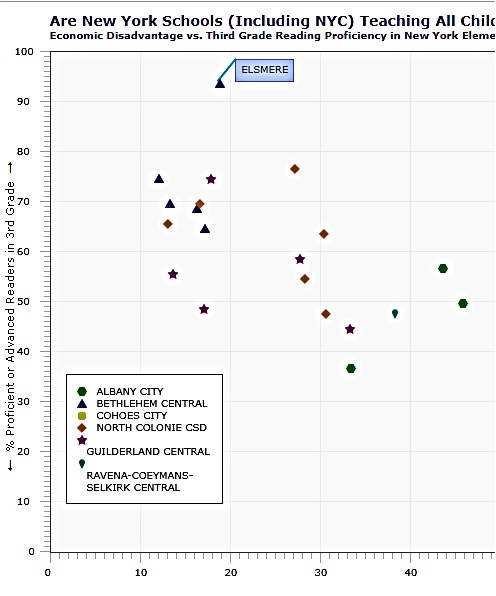
that most of their students were on grade level when they entered school. Schools with lower percentages of proficient third-graders typically have more students who were significantly below grade level at entry and thus require greater annual achievement growth.
In most cases, a school with a high percentage of proficient third-graders offers the best chance of giving your child a good start--especially if he or she is not below grade level at school entry (SEE ELSMERE SCHOOL IN THE CHART ON RIGHT). However, if your child is significantly below grade level at entry, a school with a lesser percentage of proficient third graders may be the best choice--provided that its percentage of proficient readers clearly exceeds that of schools with similar percentages of disadvantaged students.
Schools serving similar populations that outperform their demographic peers do so by having greater numbers of highly-effective teachers, i.e., teachers whose students gain more than one year of achievement growth per school year. These are precisely the kind of teachers most needed by students who are below grade level yet they are typically given little incentive to remain in the districts where they are most needed, provided that its percentage of proficient readers clearly exceeds that of schools with similar percentages of disadvantaged students." "See Pine Hills and Brighter Choice School in this chart."
Despite the widespread acceptance of third-grade proficiency as a pivotal benchmark, one-third to one-half of children, even in above-average schools, fail to reach that standard (see schools in any state).
Moreover, few schools bring as many as 85-90% of their students to reading and math proficiency. In most states, a school with half or more of its third-graders proficient in reading will be among the better schools--especially if a substantial number of its students are disadvantaged.
Schools with less than 20% of third-graders proficient in reading, however, are a risky choice. Schools with such high numbers of below-proficient students are likely to have a variety of organizational problems as well as the use of faulty reading instruction. Ensuring student success in low-performing schools typically requires both close parental attention to student progress and supplemental learning support.
The schools between 20 and 60% proficiency rates (the largest group of public schools) typically have a pattern of strengths and weaknesses that must be navigated--i.e., parents need to identify the subjects and/or grades in which there is good growth and avoid or supplement instruction in the grades or subjects in which growth is poor. However, unless the state collects value-added data (see an example report from TN), information about which are the best-taught subjects and grades may not be available from any objective source.
Quality within and between schools is characteristically uneven. Even good schools have patches of poor teaching and not-so-good schools may have surprisingly effective instruction in certain subjects or grades.
For most families, success is a matter of finding a good choice from among the available alternatives and filling in the gaps as needed. Your child may not enroll in an excellent school, but with your help, they still have a great chance of getting a good education.
✔ Monitor progress in reading and math
When a child performs below grade level, well-meaning teachers may seek to ease parent concerns by encouraging them to relax and give the child a chance to mature and catch up. This is advice that parents should respectfully reject.
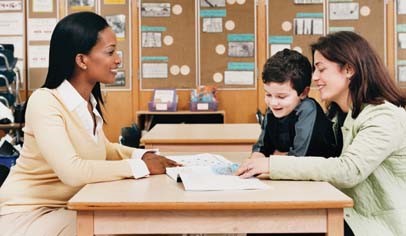 There is massive evidence suggesting that a less benign scenario is more likely. Annually, huge numbers of students start or fall behind and never catch up. Instead, they are socially promoted with the help of inflated grades and weak standards.
ECF urges a different approach. We say that if your child is significantly below grade level, don't take unnecessary risks with his or her future by waiting and hoping. Instead, be informed, be vigilant, and be proactive.
The teacher should be able to pinpoint your child’s strengths and weaknesses but, if not, make your own assessment--especially if you anticipate that your student will not be on grade-level in reading by third grade. Also, ask about your school's Response to Intervention program (called RTI or RTI2). RTI is designed for children who are not progressing satisfactorily and needs to be started ASAP.
If your child enrolls in RTI but is still not improving, start looking for an alternative. Some RTI programs provide nothing but more of the same ineffective instruction. Thus, it is wise when choosing a school to ask not only about the availability of RTI but about its record of success.
✔ Why you should check reading first
A good school is one that optimizes your child's chances for success at the next level of schooling. Effective early reading instruction combined with evidence-based classroom management--especially for students with attentional issues--are critical ingredients. Schools that produce early reading mastery have a higher percentage of proficient readers in later grades. Teachers throughout the succeeding grades are thus able to maintain higher expectations for student learning--a factor that lifts achievement schoolwide.
Early reading mastery is, thus, the single most important contribution that a school can make to a child's education and important indicator of whether a school will give your child a good start (check your school here). It also breeds academic self-confidence and success beyond school. After third grade, schooling shifts from "learning to read" to "reading to learn." Third-grade reading mastery is strongly correlated with math success and both are predictive of greater academic success in all subjects. By contrast, children who are below-proficient in third grade have only a 30% chance of finishing high school fully prepared for college.
 Regrettably, effective early reading instruction is one of the greatest challenges faced by public schools. Only one-third of third-grade students nationally are proficient readers and very few schools reach anything approaching 100% success in this critical subject. As evidenced by the longstanding popularity of whole-language and balanced literacy textbooks, the anti-phonics orthodoxy responsible for these outcomes are not the result of insufficient evidence but of the politically and ideologically tainted curricular choices made by thousands of professors over several decades.
At the core of the problem is faulty early reading instruction resulting from the unsound reading instruction practices that are taught to teachers. Combined with the fact that many children enter kindergarten one to three years behind their peers, the practices that PreK-3 teachers are taught to idealize are not well suited to a majority of students. They sacrifice results to the constraints of child development theory.
The result is both inferior skill levels and wasted early learning opportunities. The reading instruction methods taught to most elementary teachers are significantly less effective than a number of research-based alternatives but they continue to be used because they are in keeping with pedagogical orthodoxy.
Bottom line: Assuring your child’s educational success requires more than a mostly “good” school. It takes an informed, vigilant, and proactive parent who can monitor, negotiate, and supplement when their child struggles with early reading.
Perhaps the safest policy is to school-proof your child by teaching them to read prior to kindergarten. If you have time or the help of a literate adult or even a student tutor, you can teach your child to read using a computer-based program like Funnix. It is somewhat out of date but inexpensive and effective. We highly recommend it.
✔ Is it your child or the school?
Most people assume that if a child isn't learning, the problem is the child or the parents or something about a child’s life circumstances, not the school’s ineffectiveness. The public’s confidence in local schools is such that most people suppose that a track record of failure would not be allowed to stand. However, as can be seen in ECF’s scatterplots and bar charts, objective data reveals a different reality. In most schools, less than half of third-grade students are proficient in reading and that outcome has been replicated year after year.
Few parents would choose a school that produces second-rate results yet there are literally millions of students enrolled in thousands of such schools. The reason is that the public is largely in the dark about local school outcomes and their developmental and economic consequences. States do publish objective -- although sometimes inflated--statistical reports and these reports do expose the extent of the problem. However, the all-important narrative reports as to the significance and implications of the data are typically written by the local school district and furnished to the media as a press release. As a result, news accounts of local school performance usually sound like they are from Lake Woebegon- (where all children are above average) despite the reported numbers.
In short, public awareness of the chronic schooling failures remains marginal because most of what the public knows is filtered through the schools themselves.
School districts benefit from their image-building efforts in a number of ways. For example, because public schools traditionally require residents to attend the school for which they are zoned, schools are able to avoid challenging resource allocation and personnel issues if they can assure the public that most or all of the district schools are of equal quality.
In reality, it is not unusual to find differences in reading outcomes of 80 to 90 percentage points between schools within large districts. Just check ECF's charts for any large school district in the country. Differences of that magnitude are educationally significant. Children enrolled in a school where 80% of third-graders read at a proficient level have a significantly greater chance of a good start than students enrolled in average schools.
Not only do achievement outcomes differ, there are substantial differences in the effectiveness of teachers between and within schools--differences that can have a substantial impact on a child's chances for success. For example, an average child who has highly effective teachers for two successive years can improve from one-year below-grade-level to on-grade-level. Conversely, a child who has ineffective teachers for two years in a row can drop from on-grade-level to one year behind.
Many states collect, but few publicly report, data on the differences in teacher effectiveness between school districts or between schools within districts. However, where such reports are available, they reveal sizeable disparities.
Tennessee's public reporting of school and teacher effectiveness data has been exemplary and imitated by other states--especially its pioneering work in the use of "value-added assessment" (a statistical tool for estimating the student achievement gains). Despite the state's compilation of value-added teacher effectiveness reports, parents and the public are only permitted to view school level, not individual teacher reports.
You may wish to enquire with ECF or your state education agency as to the availability of such reports in your state.
Another way in which the public is kept in the dark is by combining essential quality indicators with incidentals into a global performance rating. Global ratings obscure school performance by combining student learning outcomes with less important indicators such as pupil-teacher ratios, academic honors, and awards, extracurricular opportunities, etc. Again, the effect of the reporting practice is to reduce public awareness of the differences in student achievement between schools.
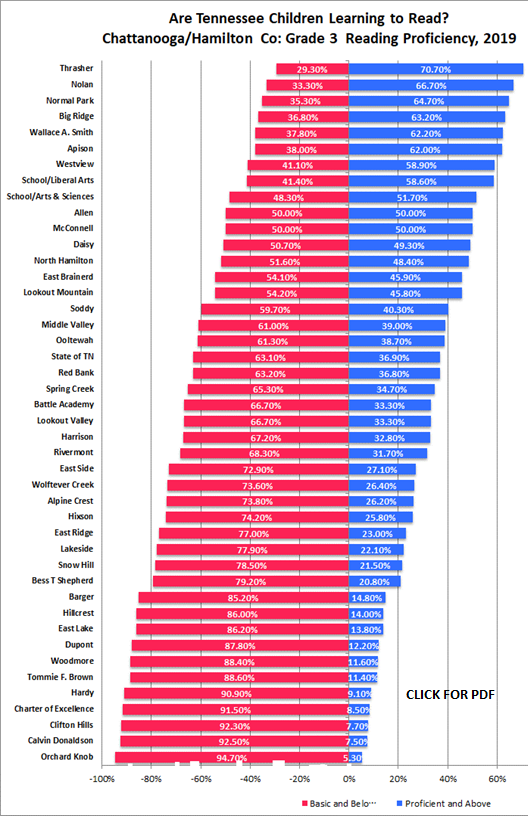
Despite their often deceptive nature, global rating systems are widely used and they do influence how schools are seen by the public. They are one more reason why schools frequently have a more favorable public image than they deserve and why parents need to go beyond global ratings and local opinion when selecting a school. School ratings that best serve the interests of students, parents, and taxpayers are ones that treat learning outcomes as their top priority and regard other strengths and weaknesses as secondary. Global ratings provide simplicity but at the expense of usefulness.
Incidentally, global ratings are used by rating services such as Great Schools and School Digger but their global rating is reported in addition to detailed numbers regarding academic growth estimates, college preparedness, student diversity, and discipline and attendance for various subgroups.
A more informative alternative is the prioritized rating system that screens schools on the essentials and then treats the incidentals as tie-breakers among schools that perform in the same range on academic essentials. Prioritized ratings are not currently used by any rating service.
Bottom line: If parents seek to understand why their child's academic progress is disappointing, they are entirely justified in considering the school's track record as a possible explanation. From the standpoint of the learner, objectively measured academic progress is the indispensable element of school quality. A school that is mostly unsuccessful in that primary mission cannot be considered a good school regardless of its other merits.
✔ Negotiating with your school about curriculum,
instruction, and policy
When you talk with the staff at your school, expect to find professional educators who are pleasant, intelligent, and who welcome a discussion of your concerns. They recognize that unlike less involved parents, you are taking a proactive role in ensuring your child’s success and will appreciate your interest and involvement.
Discussion focused on how your child might derive greater benefit from that which the school has to offer is a frequent, welcome, and often necessary topic. Discussion focused on the quality of that which the school provides; however, may be a somewhat less comfortable topic.

Parent-teacher cooperation is vital to learner success. Learning requires more than play, thus the more that a child heeds teacher guidance the more likely they are to benefit from their school experience. Trained and experienced teachers are usually able to bring about the necessary student cooperation but parent willingness to discuss and support the teacher’s efforts can make a huge difference in how well the child responds.
Parent criticism and suggestions for school improvement are also likely to be well received. Even if they are not adopted, schools do listen to parents' ideas about how to better help children learn--especially if the suggestions are presented in a cooperative spirit and tactful manner.
Receptiveness notwithstanding, parent skepticism about curriculum, instruction, policy, practices, and personnel may not be well received--even though these factors may be at the heart of the learning difficulties faced by your child and many other of the school's students. For example, recent reports have revealed that certain widely used reading instruction methods may be poorly suited to the needs of a large percentage of students and that better methodologies are available.
The problem is that teachers and schools have been resisting their use for decades despite the reading struggles of vast numbers of students. If the publicly reported reading outcomes for your child's school indicate substandard performance schoolwide, a discussion of the school's reading instruction may be the only way to attain any real improvement. If such a discussion is needed, ECF can furnish relevant research, data, and analysis.
Before embarking on such a discussion, you should be prepared for skepticism and possibly a cool response. Although you are the citizen, the taxpayer, and the consumer, and although both you and the school aim to serve the best interests of your child, be prepared to find yourself thought of as the outsider-as the "difficult parent."
Your local school is part of a tax-supported institutional monopoly (the district) overseen by an elected board--one elected, in significant part, by the votes of the district’s employees. Moreover, the district’s chief executive is appointed by the board and his or her role is to carry out the board’s policies, not to maximize the satisfaction of the organization's "customers." From the standpoint of the system, you are the outsider and you are fighting "city hall."
Given these realities, serious consideration of parent-proposed changes in school policies and practices typically require the involvement of parents and taxpayers in an organized initiative (see Reversing American Decline, Appendix II). Under these circumstances, you may choose to form an Education Consumers Association (ECA) in order to better engage the wider community. In many cases, ECAs are able to successfully appeal to local officeholders and civic-minded groups for help in promoting learning-focused oversight and reform.
How ECF can help
Instead of leaving you with a choice between changing schools and simply hoping that your school district will be receptive, ECF can provide you with the consumer-friendly assistance necessary to assess the school’s problems and consider a more proactive approach—should one become necessary.
Unlike organizations that are economically or otherwise intertwined with the schools, we at ECF understand that poor learning outcomes are frequently due to policy that allows faulty and ineffective schooling practices. We can help you identify such practices and find ways of addressing the problem.
For more information, contact us at ECF@EDUCATION-CONSUMERS.ORG
Improving Local Schools
Advocating for schools that work & the hidden cost of not doing so
In 1983, the widely read Nation at Risk report made this shocking appraisal of America's schools: “. . . the educational foundations of our society are presently being eroded by a rising tide of mediocrity that threatens our very future as a Nation and a people.”
Reversing American Decline discusses the pedagogical foundations of American educational decline and proposes to reverse it.
Fiscal Impact of Reading Failure
Calculate the school or district tax burden created by ineffective reading instruction & print a report.
Organizing to Improve Local Schools
Forming citizen groups dedicated to empowering parents and taxpayers

School Quality Data Made Understandable
Why you need to Understand Your School’s Performance Data
Key School Performance Data & the Tools Needed to Decipher It
Using Performance Data to Push for School Improvement

The alternative to understanding school data is to take unnecessary risks with your child’s future.
Without access to independent and objective school performance data, you will most likely become one more captive of the reassuring narrative about local school quality that is served up by most school districts.
It is true that parents and schools both want the best for your child, but schools are best served by an image highlights strengths and minimizes needed improvements. By contrast, parents, children, and communities are best served by transparency and full disclosure.

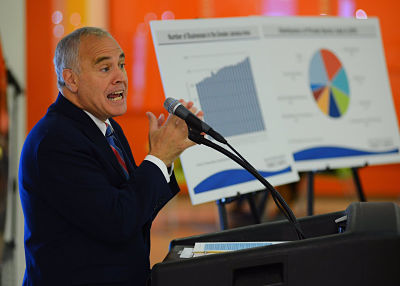

Teacher Training and Classroom Effectiveness
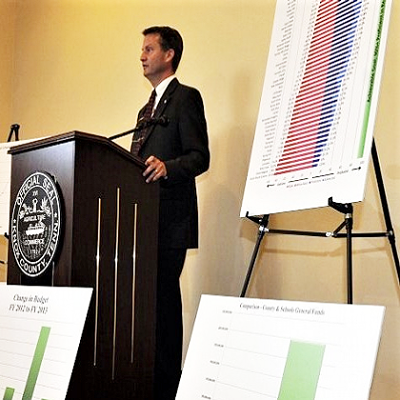
The disconnect at the heart of schooling failure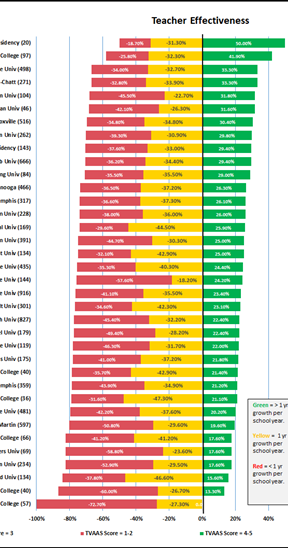
Going to the School Board


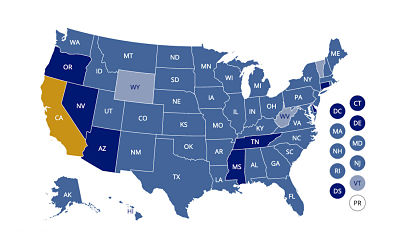
District-by-district percentages of high school graduates prepared for college are available from state education agencies.
See TN
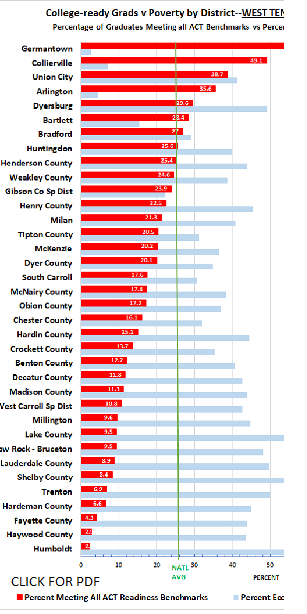
Statewide percentage of high school graduates prepared for college. Available from ACT for most states.



Statewide School Reform
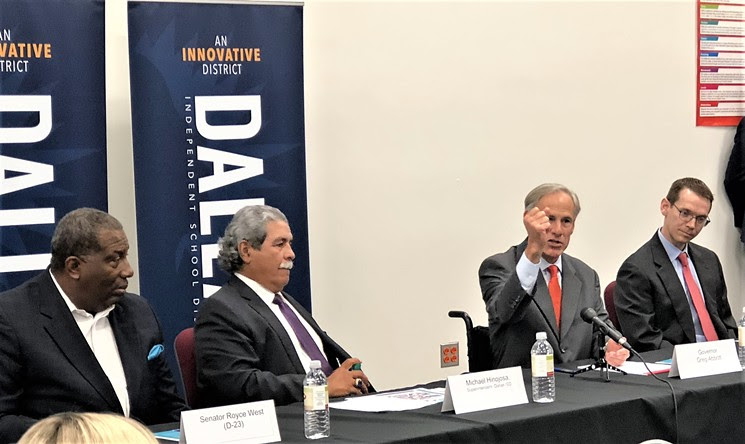
Tennessee’s model of data-driven school reform:
- Foundational data: TN’s pioneering value-added assessment system (TVAAS)
- A key tool: Schools ranked by achievement growth
- A vital incentive: Recognition for TN’s top performing schools
- Other graphic tools used in TN: Objective outcomes made visible
- Policies that led to success: Key policy tools in TN’s reform efforts
- Other aspects of TN’s success: Why TN won an RTTT grant
- The real story on TN in the Race to the Top,
- Teachers feeling good about their successes
- Reaching for Workforce Preparedness: The need for catch-up growth
Nationwide School Reform
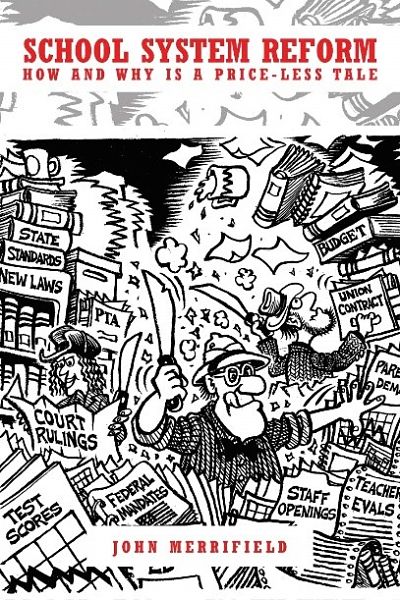
Data-driven reform on the national level: The Follow Through Project

Recommended Reading and Viewing

For more information about identifying good schools and getting the best for your child, contact us at ECF@EDUCATION-CONSUMERS.ORG
What You Can Do?
Our leadership and staff are experienced educators and parents.
Our Consultants Network is comprised of veteran scholars and researchers.